
Kratom and Kava: What Are the Real Differences?
Share
Kratom and kava sit on the same shelf in many botanical retailers, often described as if they were close cousins. They are not. The two plants come from different parts of the world, belong to different botanical families, contain different active compounds, and have different regulatory histories. This article is an informational comparison of the two at a botanical, chemistry, and regulatory level.
This is a factual overview only. It does not promote, endorse, or recommend either plant or any product made from them, and does not make any claim about safety or effects in humans.
Quick Side by Side
A snapshot of the most basic differences between the two before going deeper.
| Factor | Kratom | Kava |
|---|---|---|
| Scientific name | Mitragyna speciosa | Piper methysticum |
| Plant family | Rubiaceae, the coffee family | Piperaceae, the pepper family |
| Plant part used | Leaves | Root and rhizome |
| Native region | Southeast Asia | South Pacific islands |
| Primary active class | Indole alkaloids | Kavalactones |
| Best known compound | Mitragynine | Kavain |
| Traditional preparation | Brewed tea or chewed leaf | Water-steeped root drink |
| Common modern formats | Powder, tablets, capsules, extracts, shots | Powder, instant mix, capsules, drinks |
Where Does Each Plant Comes From?
Knowing the geography helps explain the rest of the comparison.
Kratom
Mitragyna speciosa is a tropical evergreen tree native to Southeast Asia, with significant cultivation in Indonesia, Thailand, Malaysia, Papua New Guinea, and the Philippines. The leaves have been part of regional cultural practice in those areas for generations, sometimes chewed fresh and sometimes brewed into a beverage.
Kava
Piper methysticum is a flowering perennial shrub native to the South Pacific islands, including Fiji, Vanuatu, Samoa, Tonga, and Hawaii. The root and rhizome are the parts traditionally used, prepared as a water steeped drink that holds an important place in ceremony and social custom across many Pacific island cultures.
Also Read: What Are Kratom Alkaloids?
How the Plants Are Botanically Different?
Beyond geography, kratom and kava are genuinely different plants at a botanical level.
Botanical Family
Kratom belongs to Rubiaceae, the same plant family that includes coffee and gardenia. Kava belongs to Piperaceae, the same family as black pepper. The two families are not closely related, and the plants do not share a recent common ancestor.
Growth Habit
Kratom is a tree that can grow well over fifty feet tall in the wild. Kava is a shrub that typically reaches two to three meters and is propagated through cuttings rather than seed.
Plant Part Used
Kratom uses the leaves. Kava uses the underground root and rhizome. This single difference shapes everything from how the plants are harvested to how the finished products look and feel.
What Is in Each Plant Chemically?
The active compounds are entirely different.
Kratom Chemistry
Kratom leaves contain dozens of indole and oxindole alkaloids. The most studied include the following.
- Mitragynine, the most abundant alkaloid in most leaf material
- 7-hydroxymitragynine, present in small amounts naturally
- Speciogynine
- Speciociliatine
- Paynantheine
- Isopaynantheine
- Mitraciliatine
- Corynantheidine
The exact alkaloid mix varies with cultivar, region, harvest timing, drying method, and storage.
Kava Chemistry
Kava root contains a class of compounds called kavalactones, also written as kavapyrones. The six most studied kavalactones are commonly identified by chemists as the following.
- Kavain
- Dihydrokavain
- Methysticin
- Dihydromethysticin
- Yangonin
- Desmethoxyyangonin
The specific ratio of these six compounds is called a kavalactone profile, and Pacific island cultures have developed naming systems for different cultivars based on these profiles.
The Chemistry Side by Side
Kratom alkaloids and kavalactones belong to different chemical classes and do not share structural similarity. Two plants from different families with different chemistries produce different botanical product categories.
Also Read: Why Third-Party Testing Matters for Kratom
Traditional Cultural Use
Both plants have long histories in their native regions, expressed differently in each culture.
Kratom in Southeast Asia
Mitragyna speciosa leaf has been part of regional life for generations, particularly among agricultural workers. Common traditional preparations include chewing fresh leaves and brewing dried leaves into a tea.
Kava in the South Pacific
Piper methysticum root has held a formal cultural and ceremonial role across many Pacific island societies, often consumed as a water-steeped drink in communal gatherings, official ceremonies, and welcoming rituals.
The cultural framing for the two plants is different. Kratom is often discussed in the context of daily work life in agricultural communities. Kava is frequently discussed in the context of ceremony and social gatherings.
Modern Product Formats
Both plants are sold today in formats that go beyond the traditional preparations.
Kratom Product Formats
- Loose leaf powder, the simplest form
- Capsules filled with leaf powder
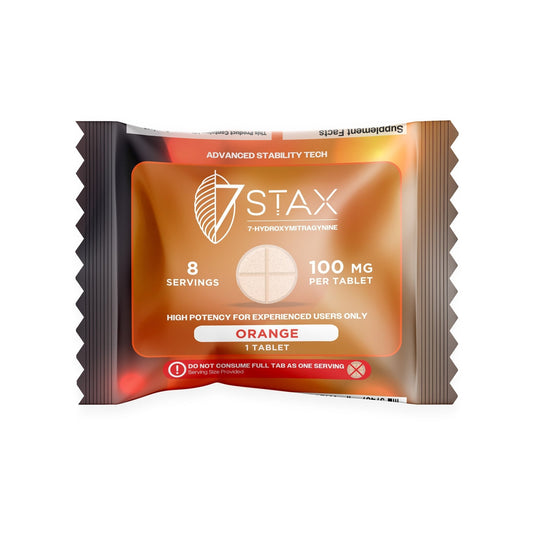
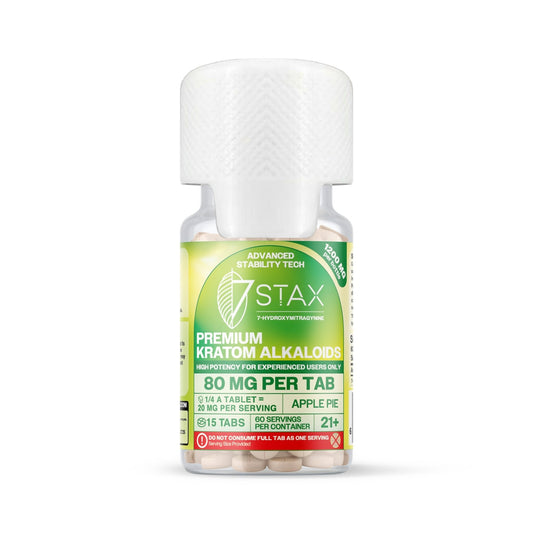
- Tablets containing leaf powder or refined alkaloid actives
- Liquid extracts and concentrates
- Shots containing refined alkaloid actives
- Modern refined alkaloid products centered on isolated compounds such as 7-OH or mitragynine
Kava Product Formats
- Traditional ground root for water steeping
- Instant mix powders that dissolve in water
- Capsules with ground root or kavalactone standardized extracts
- Ready to drink kava beverages
- Tinctures and concentrated extracts
A single product category like a botanical blended tablet may sometimes contain both kratom-derived alkaloids and kava-derived kavalactones together. The label discloses which ingredients are present.
Also Read: Common Formulation Terms on 7-OH Product Labels
Regulatory Landscape
The two plants sit in different regulatory positions in the United States.
Kratom Regulation
The United States Food and Drug Administration does not approve kratom or its constituent alkaloids for any food, dietary supplement, or drug use. Several states have full bans on kratom. Others have adopted versions of the Kratom Consumer Protection Act that regulate labeling, testing, and age restrictions without prohibiting sales. Concentrated 7-hydroxymitragynine products have drawn specific FDA enforcement action in 2025.
Kava Regulation
Kava has been generally available in the United States as a botanical ingredient and dietary supplement for many years, though it has been subject to advisory notices and import alerts from the FDA in the past. Some other countries have restricted kava at various times, including Germany and the United Kingdom, while many have since revised those positions. State and local laws on kava vary as well.
The takeaway is that neither plant has a uniform regulatory status worldwide, and both require checking current local law before purchase, sale, or possession.
Key Differences at a Glance
Five points that capture most of the distinction between the two.
- Different plants from different botanical families
- Different plant parts, leaves versus root
- Different active compound classes, alkaloids versus kavalactones
- Different traditional cultural roles, daily work life versus ceremony
- Different regulatory histories in the United States and abroad
What the Two Plants Have in Common?
Some surface similarities explain why the two are often discussed together.
- Both are botanical products with long traditional histories in their native regions
- Both are sold in similar modern retail formats including powder, capsules, and concentrates
- Both contain naturally occurring compounds that have been studied by chemists
- Both sit in evolving regulatory landscapes in the United States
- Both benefit from third party laboratory testing as a quality signal
Surface similarities do not make them the same plant. They are different in every way that matters at a botanical and chemistry level.
Also Read: White Vein vs. Red Vein Kratom
Frequently Asked Questions
Are kratom and kava the same plant?
No. Kratom is Mitragyna speciosa, a tree in the coffee family native to Southeast Asia. Kava is Piper methysticum, a shrub in the pepper family native to the South Pacific islands. They are different species in different families.
Do kratom and kava contain the same active compounds?
No. Kratom leaves contain indole alkaloids such as mitragynine. Kava root contains kavalactones such as kavain. The two compound classes are chemically distinct.
Which plant part is used in each?
Kratom uses the leaves. Kava uses the root and rhizome.
Where does each plant come from?
Kratom grows across Southeast Asia, including Indonesia, Thailand, Malaysia, Papua New Guinea, and the Philippines. Kava grows on South Pacific islands including Fiji, Vanuatu, Samoa, Tonga, and Hawaii.
Are kratom and kava regulated the same way?
No. In the United States, kratom and concentrated 7-OH products have drawn substantial recent FDA regulatory and enforcement attention. Kava has historically been sold as a dietary supplement ingredient, with its own advisory and import alert history. State and local laws on both plants vary, and the current legal landscape continues to evolve.
Can a single product contain both kratom and kava?
Yes, some blended botanical products list both kratom-derived alkaloids and kava-derived kavalactones on the label. The ingredient list and certificate of analysis should disclose which compounds are present and at what levels.
Key Takeaways
- Kratom is Mitragyna speciosa, kava is Piper methysticum, two completely different plants
- Kratom comes from Southeast Asia, kava comes from the South Pacific
- Kratom uses leaves, kava uses root and rhizome
- Kratom contains indole alkaloids, kava contains kavalactones
- The two plants have different traditional cultural histories
- The two plants sit in different regulatory positions in the United States
- Independent third party lab testing is the most reliable quality signal for either category
Important Notice
This article is provided for educational and informational purposes only and is not medical advice, a product recommendation, or a claim about safety or effects. The United States Food and Drug Administration does not approve kratom, 7-hydroxymitragynine, or kava for use in any drug, and the regulatory status of these products varies by jurisdiction and continues to change. Readers should consult current local, state, and federal law, including resources from the American Kratom Association, before making any commercial or personal decisions. Speak with a qualified healthcare professional for any health-related questions.