
How to Read a 7-OH Tablet Package Label?
Share
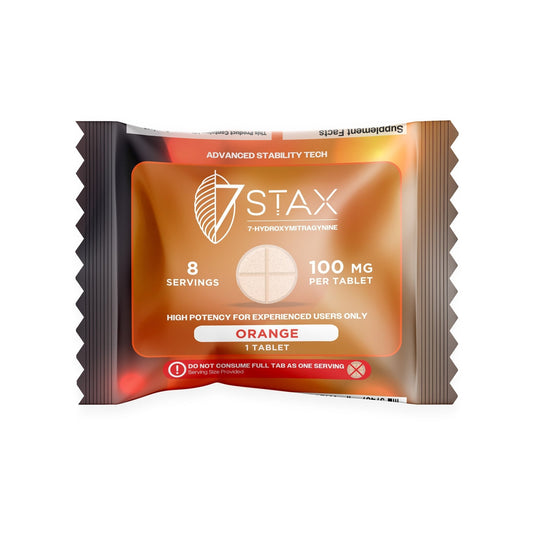
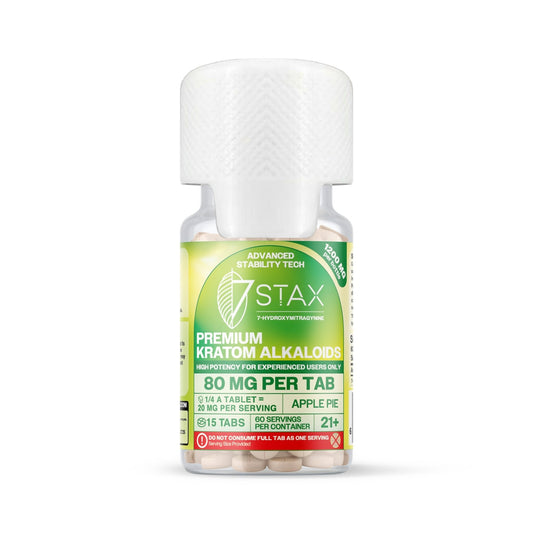
A 7-OH tablet package label packs a surprising amount of information into a small footprint. Brand name, product line identifier, labeled active content, tablet count, flavor descriptor, ingredient list, batch identifier, regulatory disclosures, and lab testing reference can all sit on the same package. Reading each of those elements accurately makes comparison between products easier and helps shoppers separate label facts from marketing language.
This article is a label-reading walkthrough. It does not promote any product, does not provide usage guidance, and does not make any claim regarding safety or effects.
The Anatomy of a Tablet Package Label
A 7-OH tablet package typically shows the same set of information regardless of brand. The information is arranged in six practical reading zones. Working through them in order gives a cleaner picture than reading the label front to back.
Zone 1, Brand and Product Identity
The top or most prominent part of the package carries the brand name, sometimes a sub-line or product family identifier, and the product name.
- Brand name in bold or stylized type
- Sub-line or product family identifier where applicable
- Product name
- Visual identity elements like logo and color
Zone 2, Active Content Disclosure
The most important zone for chemistry comparison. This area discloses what is inside each tablet and how much.
- Labeled active compound by name, in this case typically 7-hydroxymitragynine
- Milligrams of labeled active per tablet
- Tablet count per package
- Total milligrams of labeled active per package
Zone 3, Ingredient and Excipient List
Beyond the labeled active, the tablet contents include other ingredients. The label discloses these.
- Excipients that give the tablet structure, such as microcrystalline cellulose and magnesium stearate
- Sweeteners such as sucralose, sorbitol, or stevia
- Flavor systems, natural or artificial
- Colorants where present
Zone 4, Flavor and Format Descriptor
The label indicates the specific flavor of the tablet and the format variant.
- Flavor identifier
- Format descriptor such as standard tablet, chewable tablet, or rapid release tablet
- Portion size if the label uses a per-serving convention smaller than a full tablet
Zone 5, Regulatory and Traceability Disclosures
Often in smaller type, this zone is one of the most important for verifying that the package is what it claims to be.
- Batch or lot number tied to the specific production run
- Manufacture date or expiration date where shown
- Manufacturer or distributor information
- State and federal regulatory disclosure language
- Age restriction notice
- Lab testing reference, sometimes a scannable code
Zone 6, Warnings and Restrictions
A small but important zone that lists any jurisdictional or product-specific warnings the brand publishes on the package.
- Age restriction notice
- Statement that the product has not been evaluated by the Food and Drug Administration
- State-specific warning text where required
- Handling and storage instructions
Common Label Terms Explained at a Chemistry Level
Several terms appear consistently across 7-OH tablets labels. The list below explains the meaning of each at a label level only.
7-OH
Shorthand for 7-hydroxymitragynine, an indole alkaloid that occurs naturally in trace amounts in Mitragyna speciosa leaves. Most concentrated 7-OH used in finished tablet products is produced semisynthetically rather than extracted directly from raw leaf material.
Also Read: What Are Kratom Alkaloids?
mg per Tablet
Milligrams per tablet describes the labeled amount of the active compound in each individual tablet. This is the number most often used for comparison across tablet products.
Tablet Count
The number of tablets inside the package. Multiplied against the milligrams per tablet, it gives the total labeled active per package.
Total mg per Package
The total milligrams of labeled active in the entire package. Sometimes shown directly on the label, sometimes calculated by multiplying the per tablet figure by the tablet count.
Extract
An extract is the result of pulling target compounds out of a starting material using a solvent. When extract appears on a tablet label, it signals that the labeled active is a concentrated form rather than ground leaf.
Also Read: What Is a Kratom Extract and How It Differs from Plain Leaf Powder
Chewable
A chewable tablet uses a softer compressed matrix that breaks down when chewed rather than swallowed whole. It is a format variant of the standard tablet.
Rapid Release
Rapid release describes a specific tablet manufacturing approach that differs from standard compressed tablet manufacturing. The distinction is a process descriptor rather than a chemistry descriptor.
Comparing Two Tablet Packs at a Label Level
The most reliable way to compare two tablet packs is to line up the same label zones for both. The table below shows what an apples to apples comparison looks like.
| Label Element | Product One | Product Two |
|---|---|---|
| Brand | Brand name | Brand name |
| Labeled active | 7-OH | 7-OH |
| mg per tablet | Value | Value |
| Tablet count | Value | Value |
| Total mg per package | Value | Value |
| Flavor | Identifier | Identifier |
| Format | Descriptor | Descriptor |
| Lab testing | Certificate available | Certificate available |
Filling in this table for two products takes about a minute and gives a much clearer comparison than reading the front of the package alone.
What Lab Testing on Tablets Typically Covers?
Independent third party laboratory testing on tablets in the 7-OH category usually covers the following areas.
- Verification of the labeled active content per tablet
- Heavy metal screening against established reference limits
- Microbial screening for total aerobic count, yeast and mold, and pathogenic organisms
- Solvent residue testing where applicable to the extract manufacturing process
A current certificate of analysis from a qualified independent laboratory is the most reliable way to confirm what is inside any specific batch of tablets.
Also Read: Why Third-Party Testing Matters More Than Kratom Brand Claims
Marketing Words That Are Not Regulated
Several words appear frequently on tablet packages without a regulated meaning in the 7-OH category. They can still work as brand positioning, but they are not verified by being printed on the package.
- Premium
- Pure
- Lab tested when not paired with a specific certificate reference
- Advanced
- Pharmaceutical grade
- All natural
- Strongest, smoothest, best
A label that supports these descriptors with a published certificate of analysis is meaningfully more trustworthy than a label that uses them without backing.
Required and Common Regulatory Disclosures
Tablet packages in this category typically include several regulatory disclosures on the label or packaging. Their presence and accuracy is itself a compliance signal.
- Age restriction notice
- Statement that the product is not for sale to minors
- Statement that the product has not been evaluated by the Food and Drug Administration
- State-specific warning text where required
- Jurisdictional restrictions on shipping or sale
- Handling and storage instructions
A Compact Label Reading Checklist
A short checklist to use the next time you pick up a 7-OH tablets package.
- Identify the brand, sub-line or product family identifier, and product name
- Find the labeled active and confirm the milligrams per tablet
- Note the tablet count in the package
- Calculate or read the total labeled active per package
- Note the flavor and format descriptor
- Locate the batch or lot number
- Find the lab testing reference and confirm the laboratory name
- Look for age restriction and regulatory disclosure language
- Compare each of the above to a second product if running a side by side check
Also Read: Common Formulation Terms on 7-OH Product Labels
Frequently Asked Questions
What is the most important number on a 7-OH tablets label?
The milligrams of labeled active per tablet, alongside the tablet count that lets you calculate the total per package. Together these two numbers support accurate comparison across tablet products.
What does mg mean on a 7-OH tablets label?
Milligrams. It refers to the weight of the labeled active compound per tablet. Sometimes shown as total per package instead of per tablet, so read the label carefully to confirm which figure is being shown.
What is the difference between mg per tablet and total mg per package?
Mg per tablet is the labeled active in one individual tablet. Total mg per package is that number multiplied by the tablet count. A four-count pack with twenty milligrams per tablet contains eighty milligrams of labeled active total.
What does chewable mean on a tablet label?
A chewable tablet uses a softer compressed matrix that breaks down when chewed rather than swallowed. It is a format variant of a standard compressed tablet.
What is a batch or lot number and why does it matter?
A batch or lot number is the identifier tied to a specific production run of the product. It is meaningful for verification because a certificate of analysis is only useful when its batch or lot number matches the package in your hand.
Where can I find the lab testing report for a specific tablets package?
Most brands publish a certificate of analysis on their website or include a scannable code on the package. The certificate is meaningful only when its batch or lot number matches the package in your hand.
What if a regulatory disclosure is missing from the label?
A missing disclosure is itself information. A brand that publishes complete age restriction and regulatory disclosure language is more transparent than one that omits it.
Key Takeaways
- 7-OH tablets labels split into six practical reading zones
- The labeled active and milligrams per tablet are the most important chemistry numbers
- Multiplying the per tablet figure by the tablet count gives the total labeled active per package
- The ingredient list discloses excipients, sweeteners, flavors, and colorants beyond the labeled active
- Marketing words like premium, pure, and pharmaceutical grade are not regulated and should be checked against a lab certificate
- Regulatory disclosures including age restriction and FDA disclaimers should be present and accurate
- A current third party certificate of analysis is the strongest trust signal regardless of brand
Important Notice
This article is provided for educational and informational purposes only and is not medical advice, a product recommendation, or a claim about safety or effects. The United States Food and Drug Administration does not approve 7-hydroxymitragynine for use in any food, dietary supplement, or drug, and the regulatory status of these products varies by jurisdiction and continues to change. Readers should consult current local, state, and federal law, including resources from the American Kratom Association, before making any commercial or personal decisions. Speak with a qualified healthcare professional for any health related questions.